Ohio’s State Hazard Mitigation Plan puts Brown County in the Appalachian Plateau’s highest landslide susceptibility zone. That’s a state-level designation — not a generic warning about hills and rain.
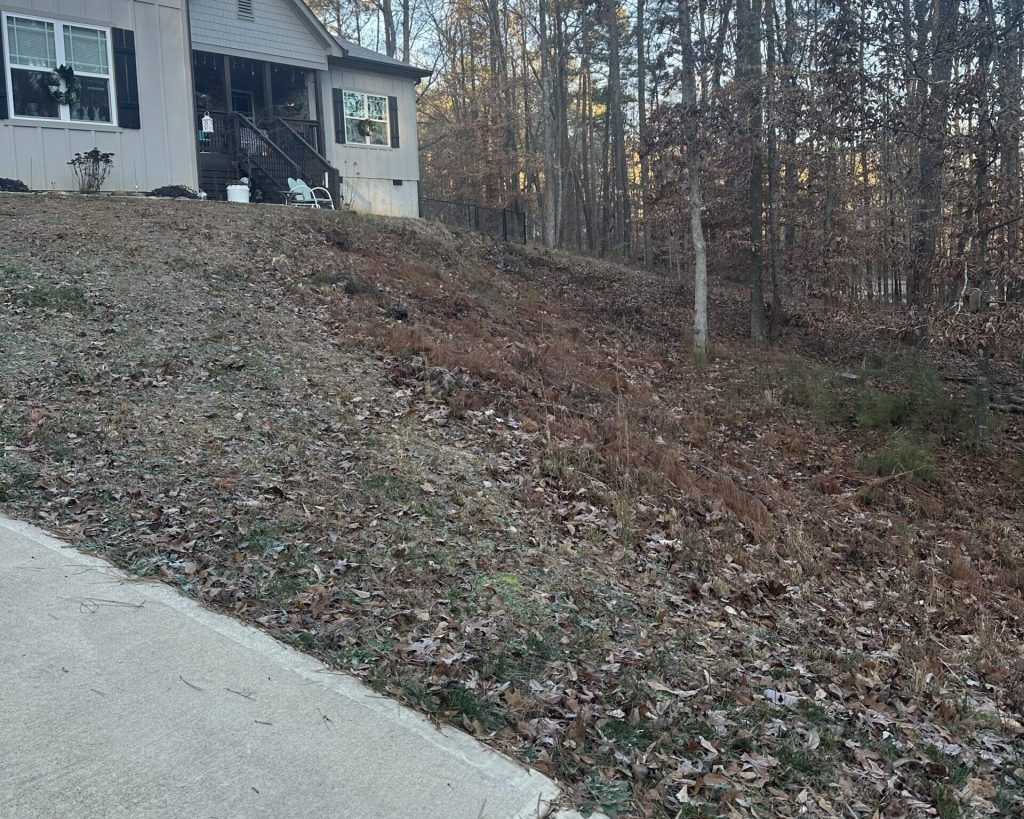
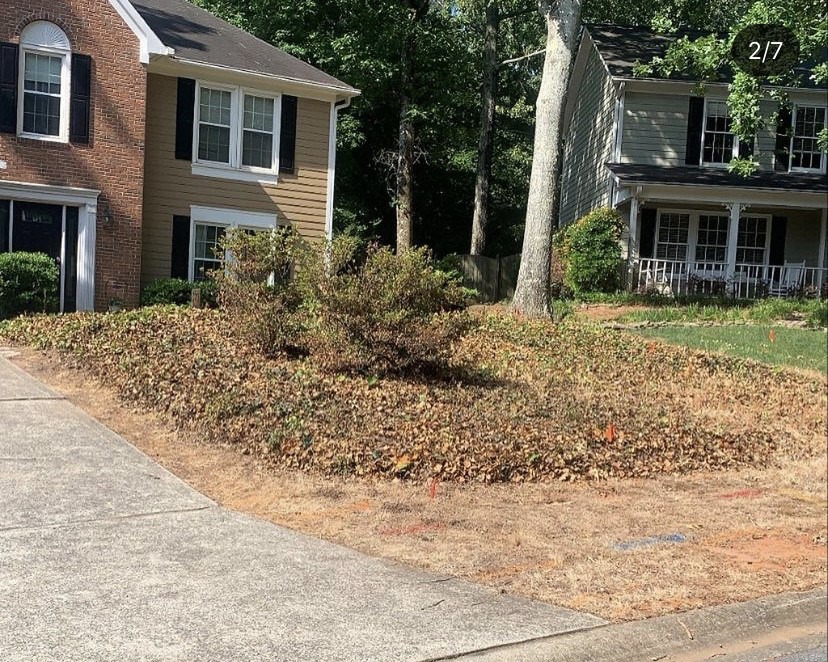
Aberdeen sits on unglaciated Appalachian Plateau terrain. The rolling hillsides here are covered with residual clay and shale soils that drain slowly and move when disturbed. On a construction site, that means a graded slope without erosion controls doesn’t just lose topsoil after a rain. It slumps. The equilibrium that kept the slope stable gets disrupted the moment clearing and grading begins — and without silt fence, erosion matting, and proper drainage in place, the material goes downhill. Sometimes slowly. Sometimes fast.
The Ohio River corridor along US-52 adds a second layer. Construction sites near a navigable waterway put sediment discharge directly in the path of Ohio EPA and Army Corps of Engineers oversight. Non-compliance on a site near the river isn’t just an environmental problem. It’s a permit and project shutdown problem.
S&S Construction installs erosion controls that meet Brown County’s terrain and Ohio’s regulatory requirements — before the grade gets cut, not after the first rain.
Posted on Google![]()
Mike GonneringTrustindex verifies that the original source of the review is Google.
We have worked with Beeman Excavating in the past. Their experience in multiple markets has shown through in the quality of their work. Recommend you give them a try!Posted on Google![]()
Jose GarciaTrustindex verifies that the original source of the review is Google.
Posted on Google![]()
Hannah BeemanTrustindex verifies that the original source of the review is Google.
Beeman Excavating is a great family owned company. They are easy to work with, responsive and respectful. I highly recommend them!
From residential projects to commercial developments, we provide end-to-end solutions for every stage of construction.
The most common erosion control mistake on Brown County construction sites is timing. Controls installed after grading begins have already let the first rain event do damage.
Every erosion control job starts with a site assessment. We evaluate slope angle, soil type, proximity to waterways, and project scope to determine what Ohio EPA NPDES permit requirements apply and what controls need to be in place before any ground is disturbed.
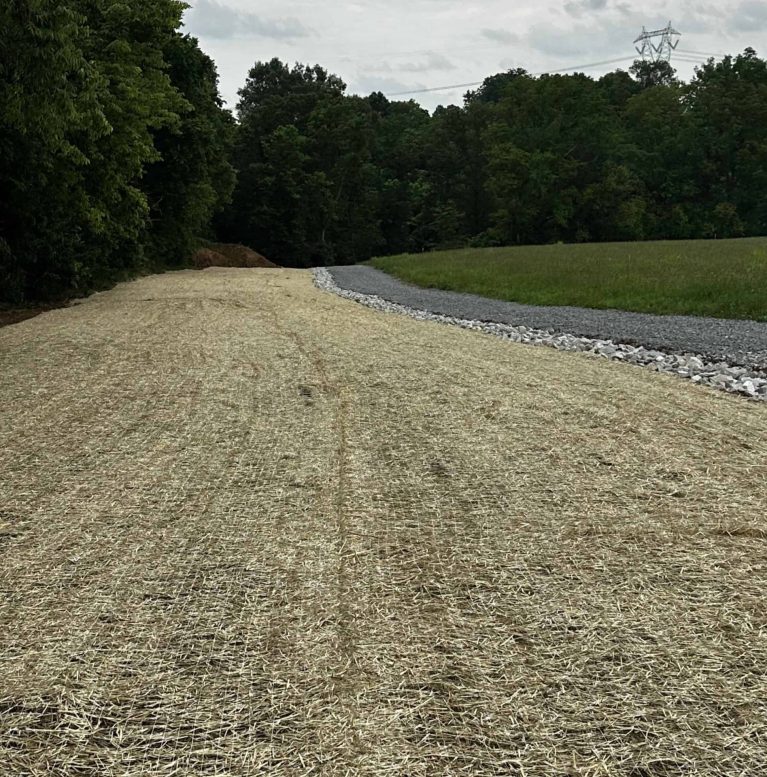
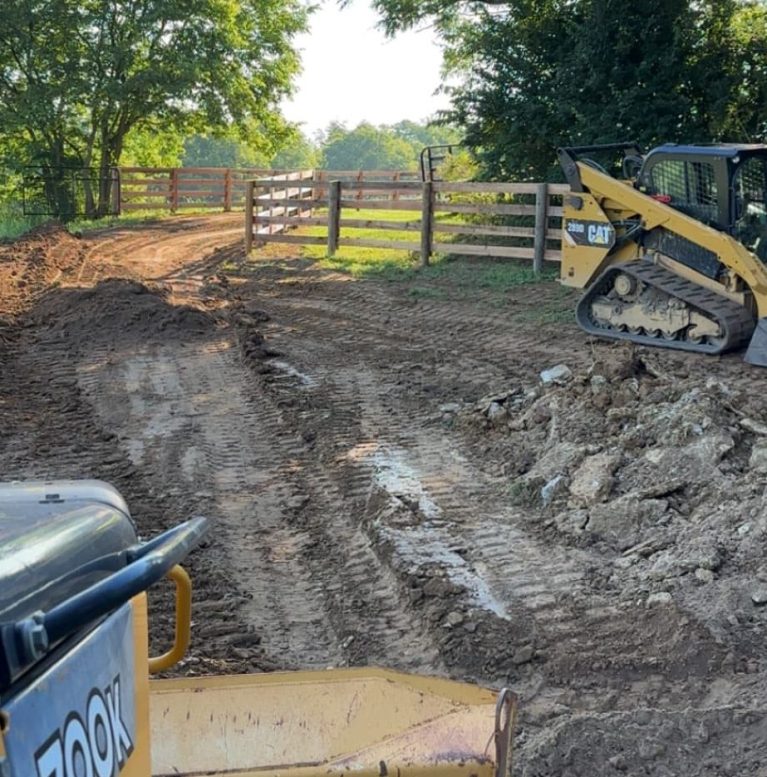
Installation is sequenced with grading work — not scheduled after. Silt fence goes up at the perimeter before the first cut. Erosion matting goes on disturbed slopes as grading progresses. Check dams, riprap, and sediment basins are positioned at drainage concentration points where runoff velocity is highest. On Huntington Township’s steeper hillside sites, controls are staged in sequence as work moves up or down the slope.
Integration with drainage systems is standard — erosion control and drainage work together, not separately.
Controls are monitored and adjusted through the active construction phase. Final stabilization with seeding or permanent ground cover closes out the job when work is complete.
A contractor working a site near the US-52 Ohio River corridor needed full erosion control installation before grading began — proximity to the river put Ohio EPA compliance requirements in play. We assessed the site, confirmed NPDES permit requirements, installed perimeter silt fence and drainage structure protection before the first cut, and maintained controls through active grading. Site passed Ohio EPA inspection without findings.
A Huntington Township property owner had a disturbed hillside slope losing topsoil after every rain event — grading had been done without erosion controls in place. We assessed the slope angle and soil conditions, installed erosion matting on the steepest sections, placed check dams at drainage concentration points, and seeded the stabilized slope. No further topsoil loss through the following rain season.
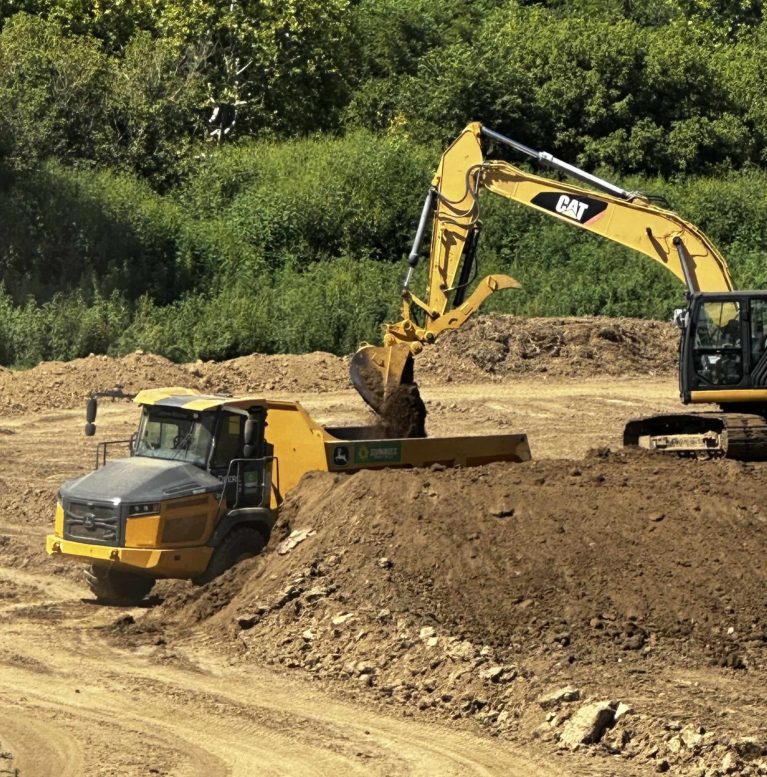
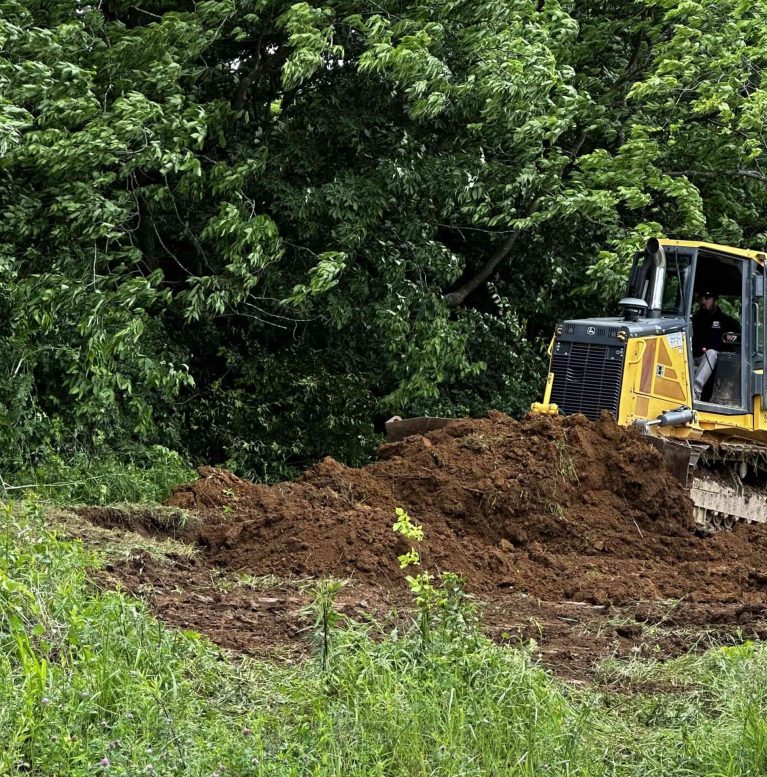
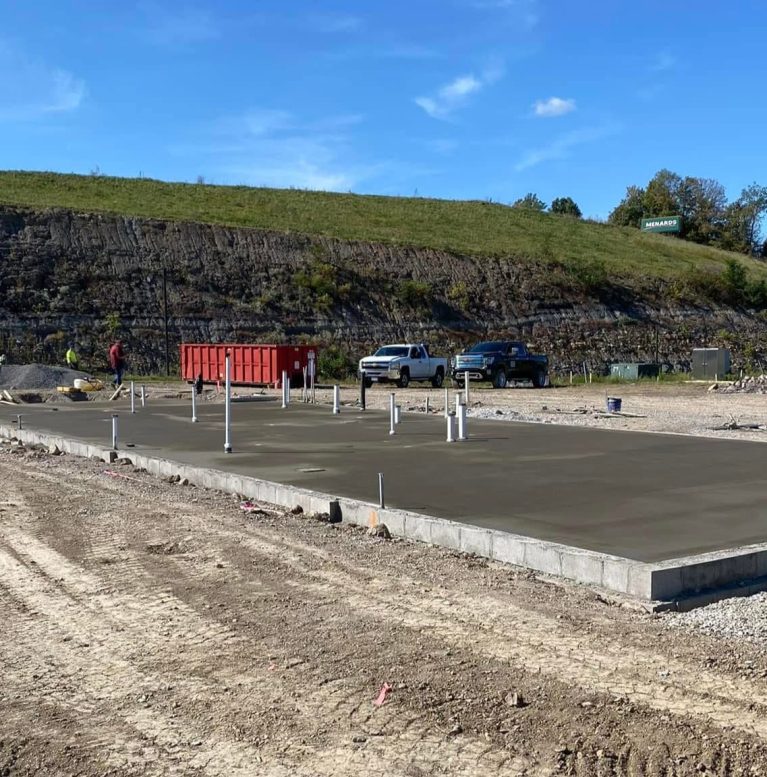
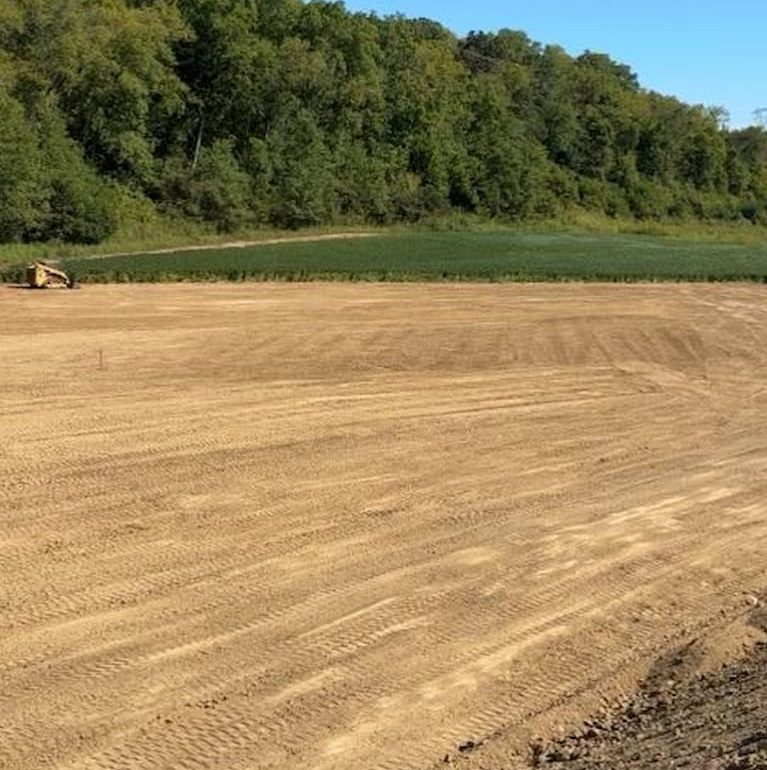
Take a look at some of our latest work. Scroll through the photos below to see our team in action and the results we deliver.
Yes. Ohio EPA NPDES permits require controls on sites over one acre. Sites near the Ohio River face additional oversight. Non-compliance means stop-work orders and fines — more expensive than doing it right the first time.
Silt fence at the perimeter, erosion matting on disturbed grades, and check dams at drainage low points — all installed before grading begins, not after the first rain hits.
Yes — fully integrated. Controls are sequenced with grading work, installed before cuts begin, and adjusted as the project progresses. One crew handles both phases.
Both. Temporary controls protect the site during active construction. Permanent seeding and ground cover close out the job. We handle the full sequence from first cut to final inspection.
Yes. We assess Ohio EPA and Army Corps requirements for your specific site and install controls that meet those standards — not just general best practices.