The ground in Mason County looks solid. It often isn’t.
Maysville sits on Karst limestone formations that can hide voids and unstable pockets beneath the surface. Add proximity to the Ohio River and a naturally high water table, and you have conditions that will expose every shortcut a contractor takes during excavation and foundation work.
We’ve seen what happens when footers are poured shallow in this terrain. The ground shifts. Moisture infiltrates. Foundations crack or heave — sometimes within a few years of construction.
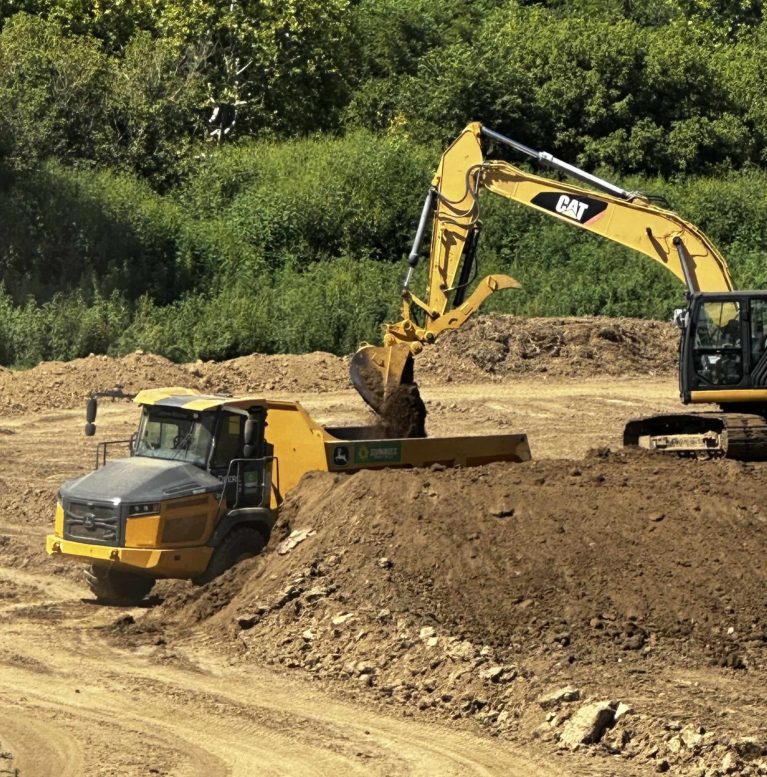
S & S Excavation works in this county every week. We know where the bedrock runs deep, where the water table climbs after heavy rain, and which areas near the river require extra attention before a single yard of concrete is placed.
That site-specific knowledge is what you’re hiring when you call us. Not just a crew with a mixer — a team that understands Mason County soil and builds accordingly.
Your foundation is permanent. It needs to be right the first time.
Posted on Google Mike GonneringTrustindex verifies that the original source of the review is Google. We have worked with Beeman Excavating in the past. Their experience in multiple markets has shown through in the quality of their work. Recommend you give them a try!Posted on Google Jose GarciaTrustindex verifies that the original source of the review is Google. Posted on Google Hannah BeemanTrustindex verifies that the original source of the review is Google. Beeman Excavating is a great family owned company. They are easy to work with, responsive and respectful. I highly recommend them!
From residential projects to commercial developments, we provide end-to-end solutions for every stage of construction.
In Mason County, the frost line sits at approximately 30 inches below grade. That’s the minimum depth your footers must reach to avoid the freeze-thaw heaving that cracks slabs and shifts walls.
We don’t treat that as a suggestion.
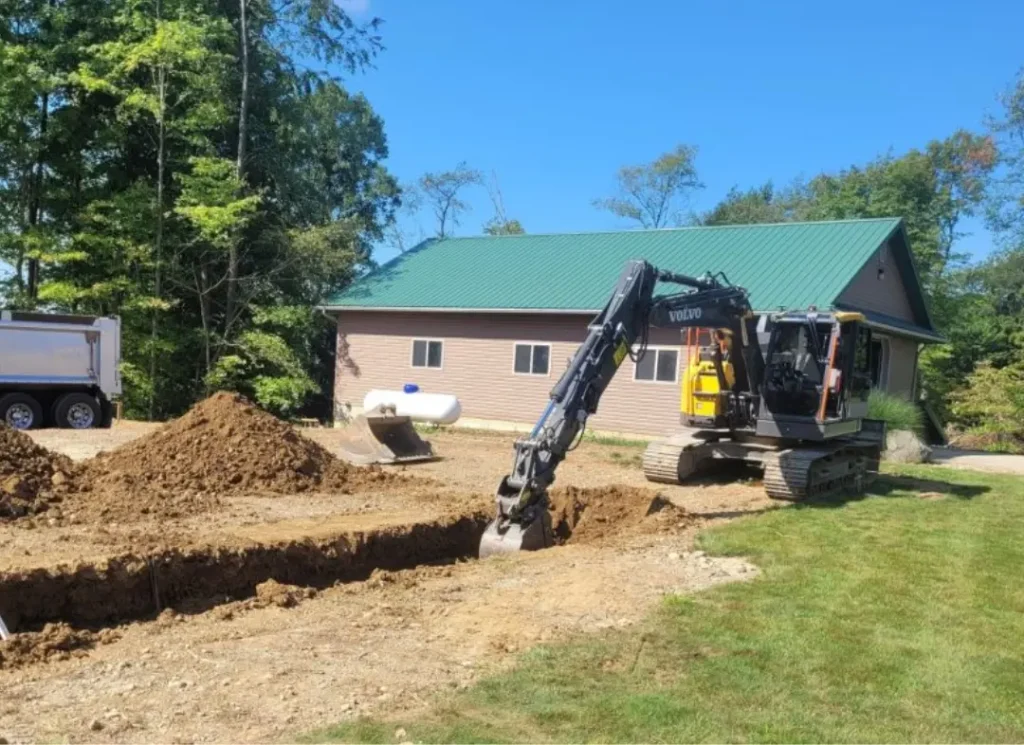
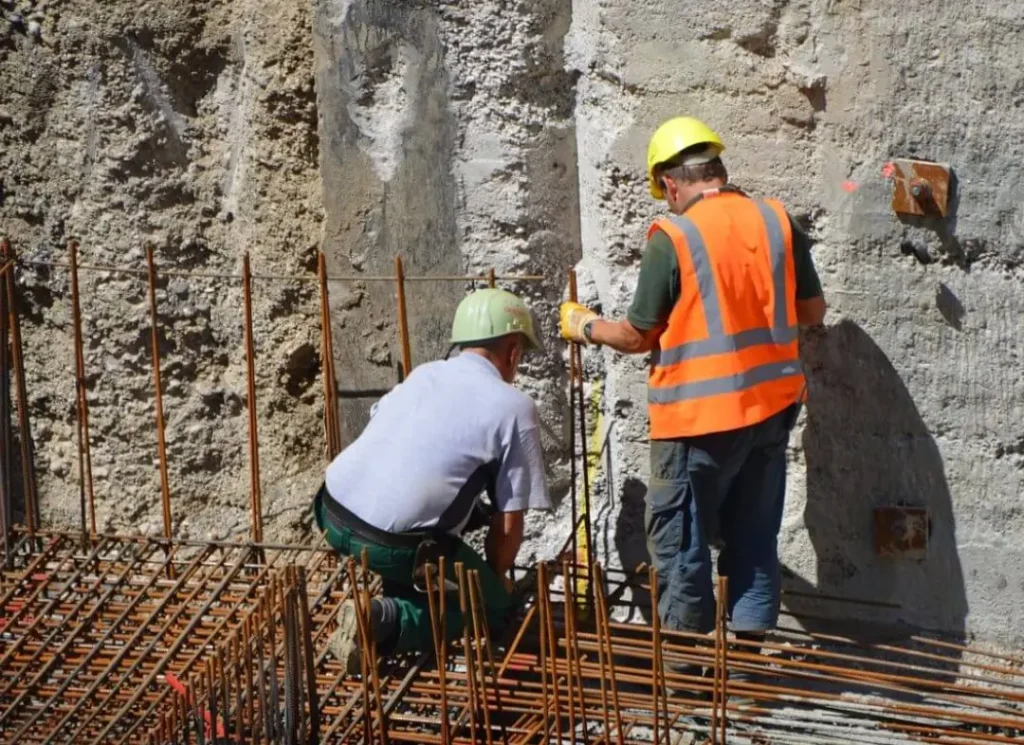
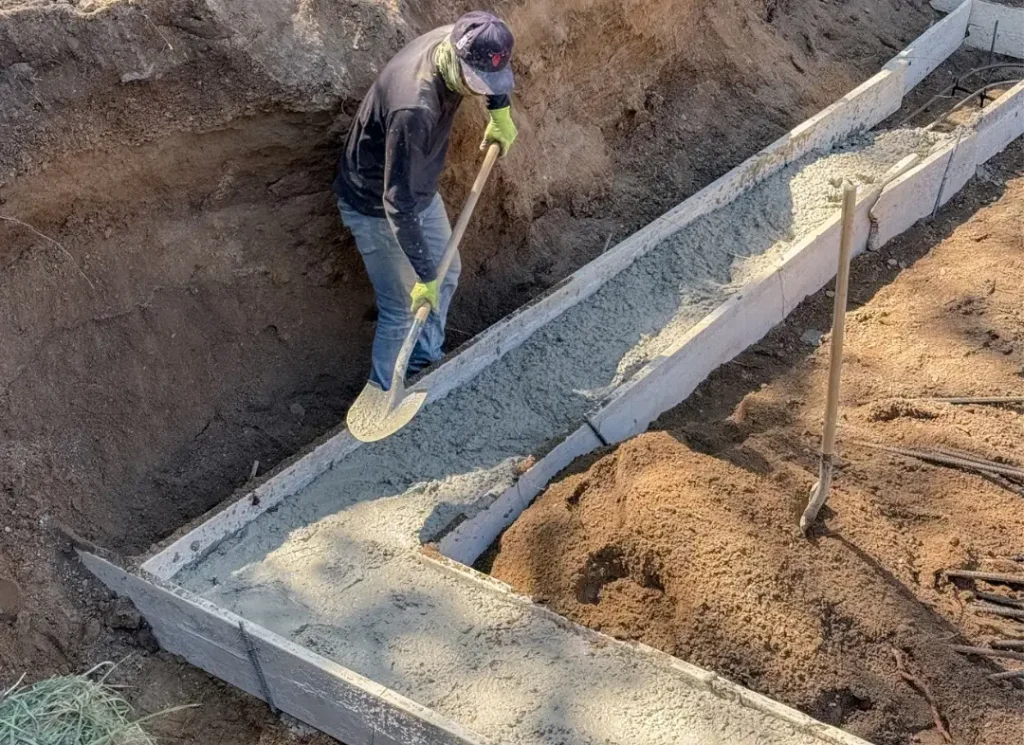
Every foundation project starts with excavation for home foundations done to the correct depth for your specific site conditions. In Karst terrain, that sometimes means going deeper to reach genuinely stable material. Once the trench is cut and graded, we set forms precisely and install rebar reinforced footers according to local building code requirements.
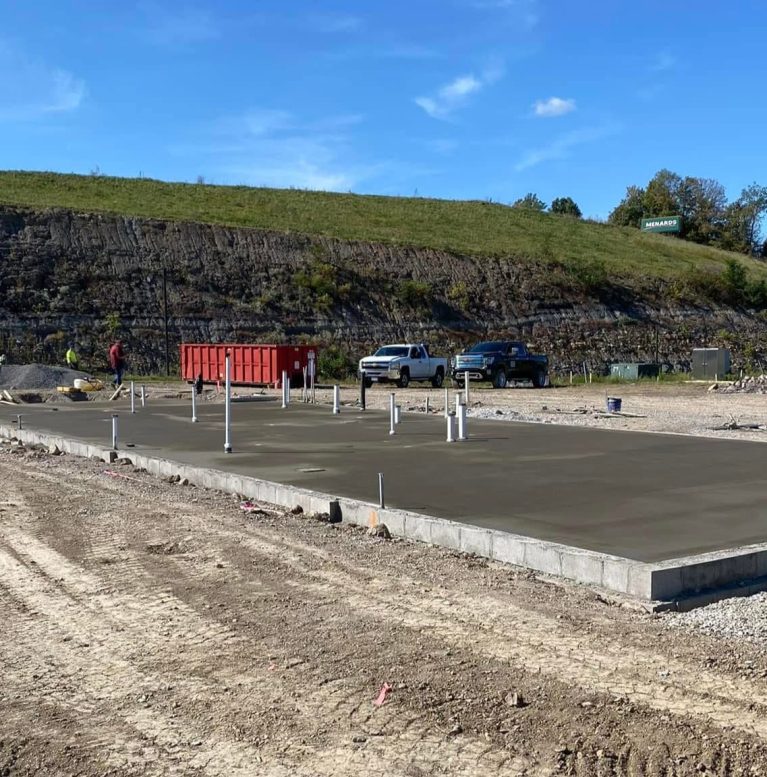
For outbuildings and accessory structures, monolithic slab foundation pouring is often the right call — one continuous pour that eliminates cold joints and reduces moisture entry points. For energy-efficient builds, we also work with frost-protected shallow foundation designs where the engineering supports it.
Every step follows Mason County and Kentucky state building standards. We pull the right permits, schedule inspections properly, and document the work.
No cutting corners. No callbacks.
A property owner developing a new home site off the AA Highway needed full excavation and footer installation on a sloped lot with variable soil depth. S & S Excavation dug to stable bedrock, installed rebar reinforced footers at frost-compliant depth, and poured a monolithic slab for the attached garage. Project passed inspection on the first review with zero required corrections.
A commercial building owner in the Downtown Maysville Historic District needed footer reinforcement on a structure showing early signs of settlement. S & S Excavation excavated carefully around existing masonry, assessed soil conditions against the high water table, installed perimeter footer drainage, and poured new concrete underpinning to current Mason County code. Structural movement halted. No visible disruption to adjacent historic facades.
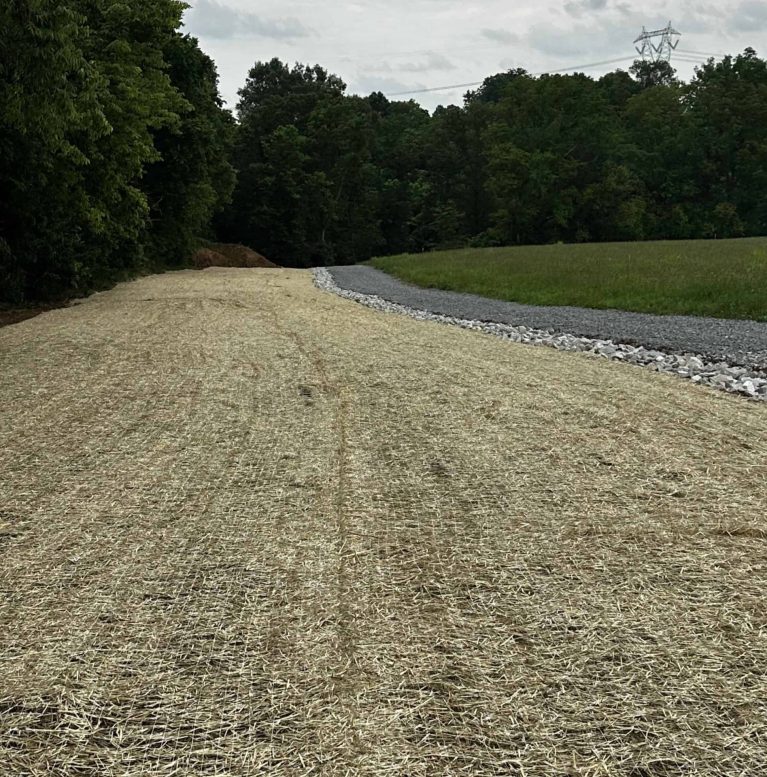
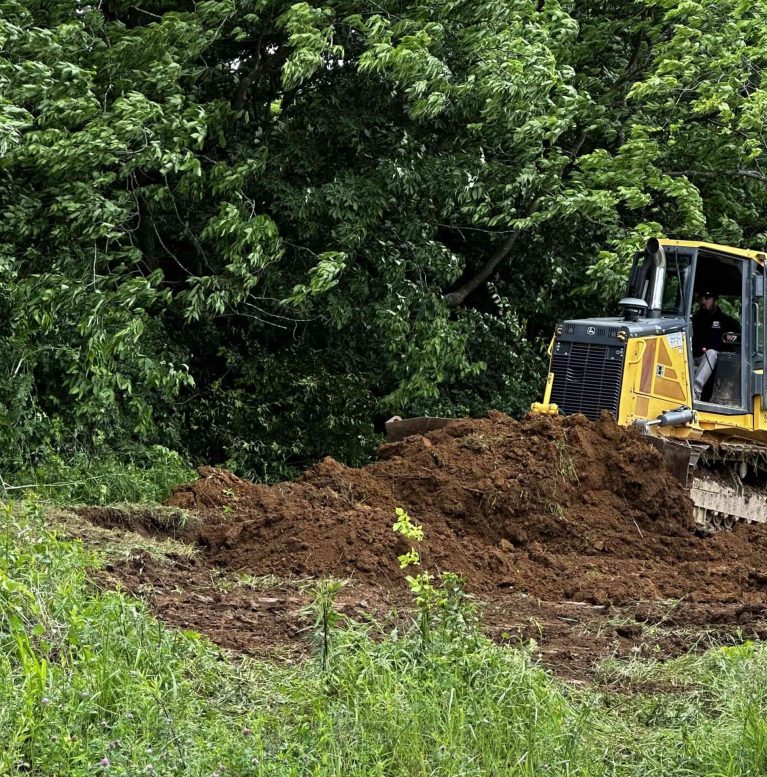
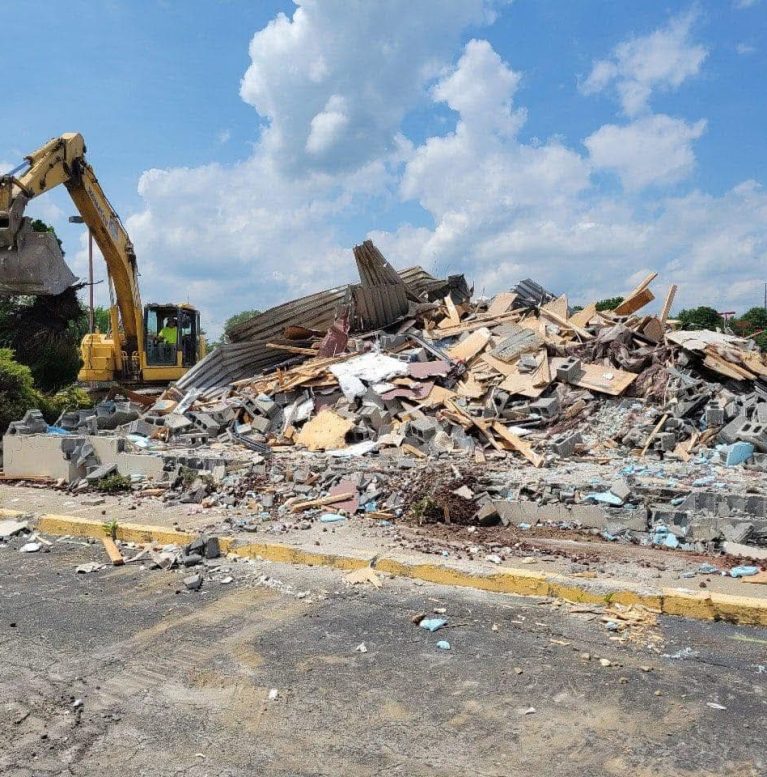
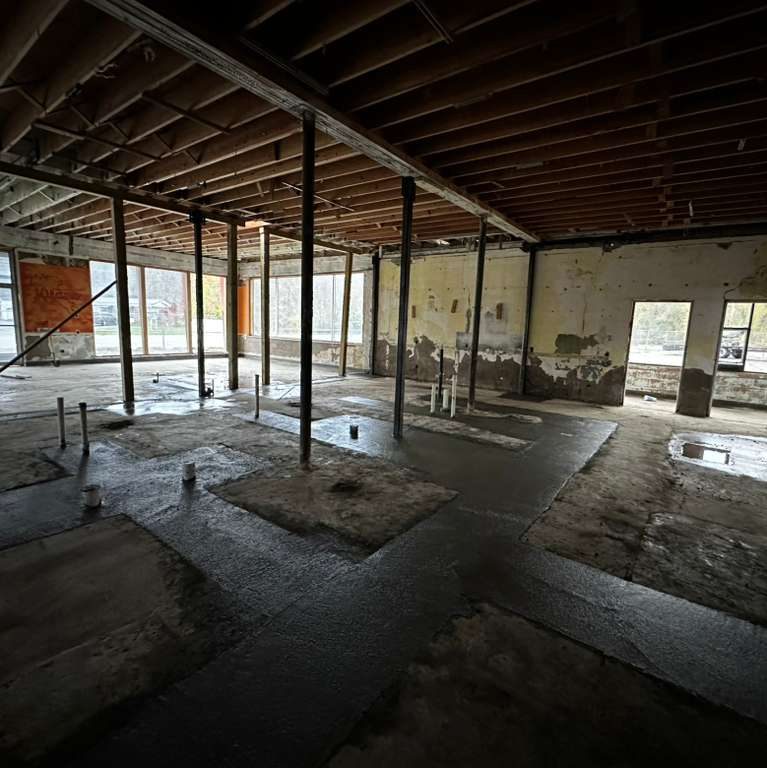
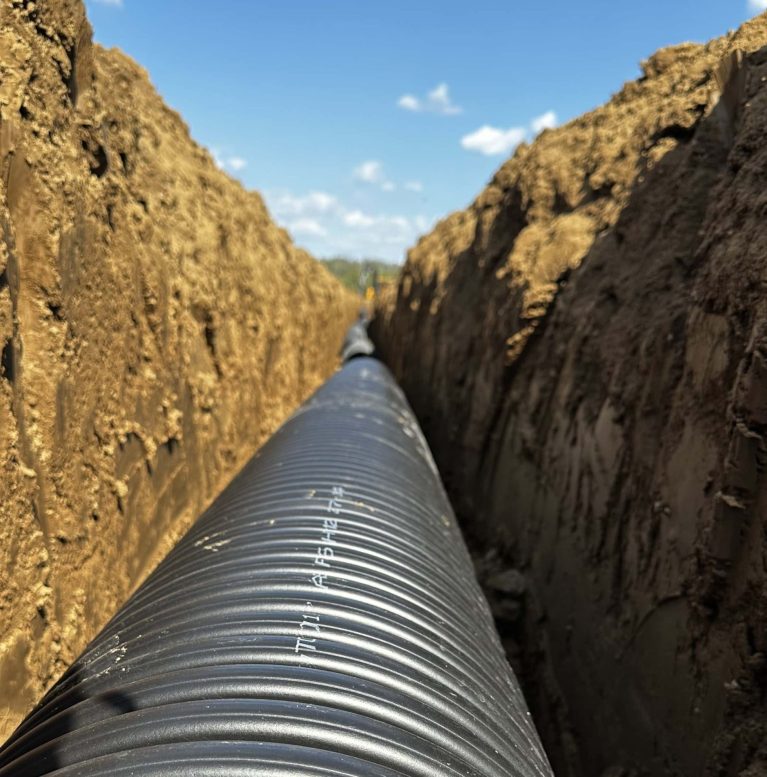
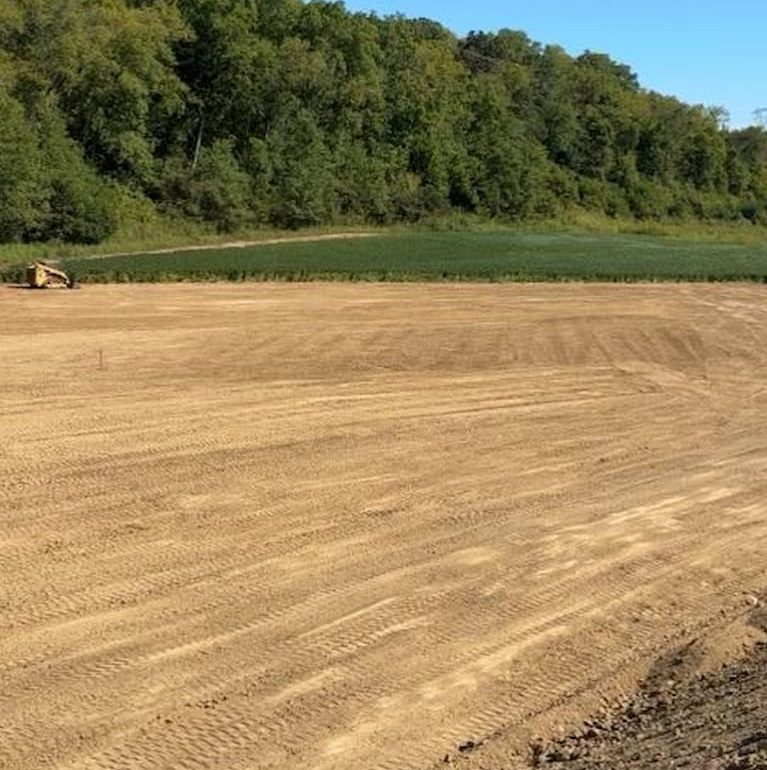
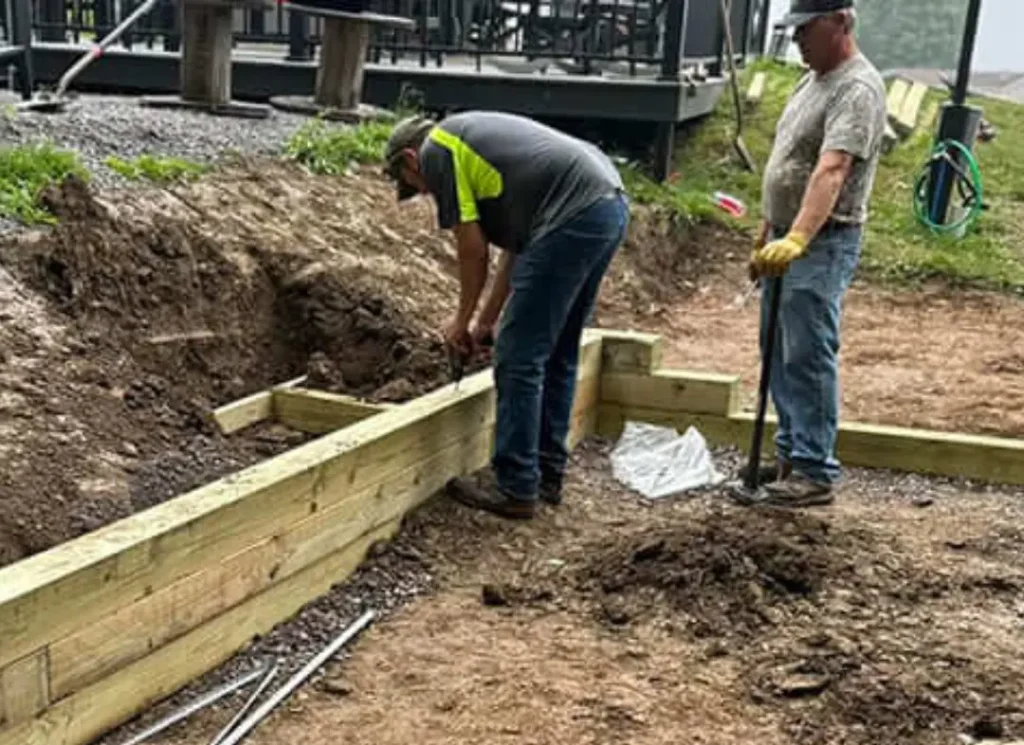
Take a look at some of our latest work. Scroll through the photos below to see our team in action and the results we deliver.
S&S Construction Services
Kentucky’s frost line in Mason County is approximately 30 inches. Footers must reach at least this depth — and often deeper in Karst terrain where stable bedrock sits lower. Local building code and soil conditions determine the final spec.
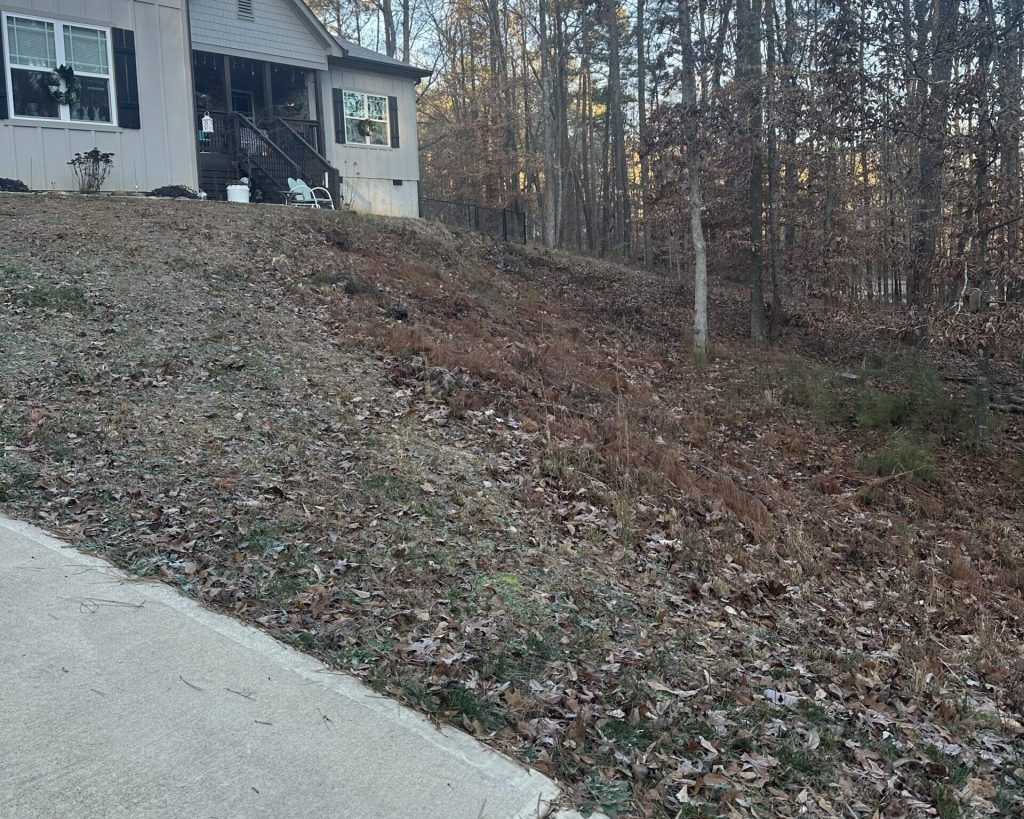
Sloped sites require precision grading to manage both vertical load and lateral water pressure. We step footers to follow grade changes, install drainage on the uphill side, and ensure every section reaches frost-compliant depth before the pour.
It depends on your project scope and what the Mason County building department requires for your permit. For new home foundations, a compaction or bearing capacity test is often required. We coordinate with your engineer or inspector to confirm what’s needed before we break ground.
Yes. Historic District work requires controlled excavation techniques and careful shoring to avoid disturbing neighboring masonry. We assess each site individually and use hand excavation where mechanical equipment creates too much risk.
A high water table can require dewatering during excavation, which adds time before forms can be set and concrete poured. We factor this into the project schedule upfront so there are no surprises when water appears at the bottom of the trench.