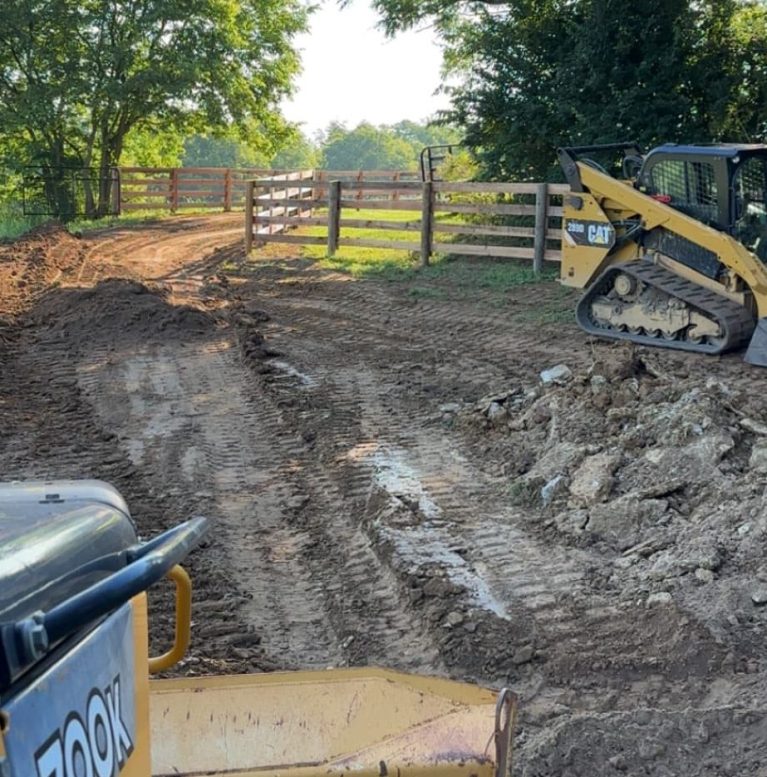
A pond that drains into the ground isn’t a pond. It’s an expensive hole.
That’s the reality for a lot of Mason County property owners. The Karst limestone bedrock beneath this region is naturally porous. Water finds the fissures, follows them down, and disappears — sometimes within the first season. It’s one of the most common and most frustrating problems with farm pond excavation in Mason County, and it catches a lot of people off guard.
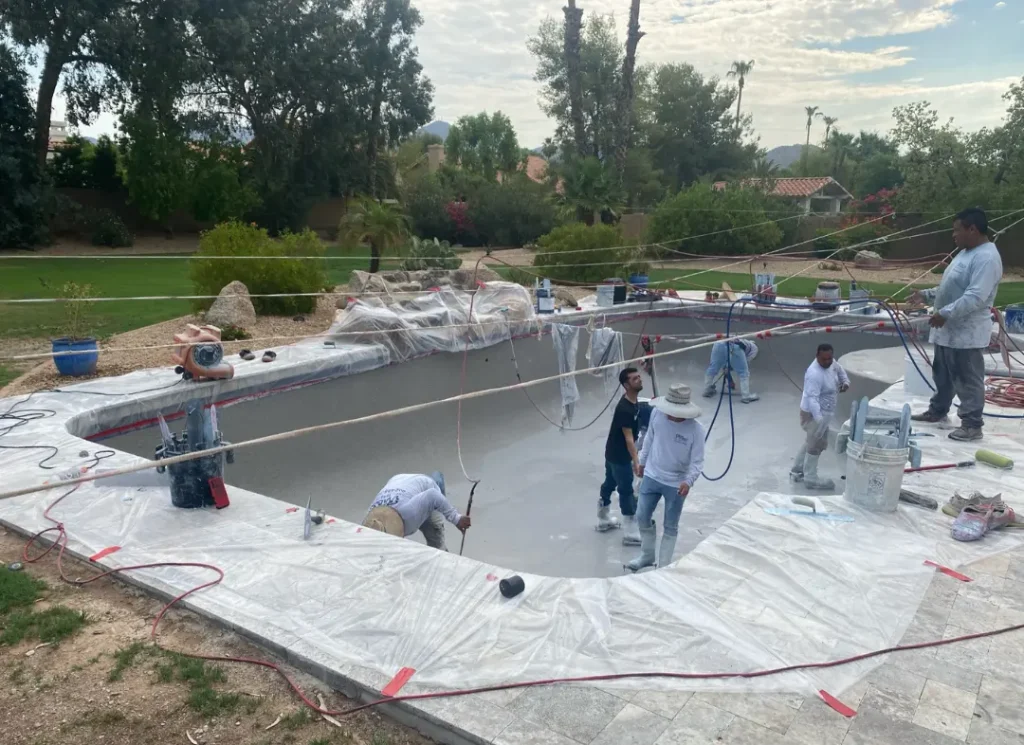
S & S Excavation builds ponds that hold. We start every project by evaluating the soil profile and identifying where the limestone sits relative to your water table. Where native clay is present, we compact it in engineered lifts to create a watertight basin floor and sidewalls. Where clay coverage is insufficient, we apply bentonite pond sealing — a proven method for lining porous substrates and stopping subsurface loss cold.
You’re investing in a permanent water feature. It should still be full ten years from now.
Posted on Google Mike GonneringTrustindex verifies that the original source of the review is Google. We have worked with Beeman Excavating in the past. Their experience in multiple markets has shown through in the quality of their work. Recommend you give them a try!Posted on Google Jose GarciaTrustindex verifies that the original source of the review is Google. Posted on Google Hannah BeemanTrustindex verifies that the original source of the review is Google. Beeman Excavating is a great family owned company. They are easy to work with, responsive and respectful. I highly recommend them!
From residential projects to commercial developments, we provide end-to-end solutions for every stage of construction.
No two pond sites in Mason County are the same. Before any excavation begins, we conduct a thorough custom lake site feasibility assessment — evaluating watershed size, inflow volume, soil bearing capacity, and proximity to Ohio River tributaries that affect drainage and permitting.
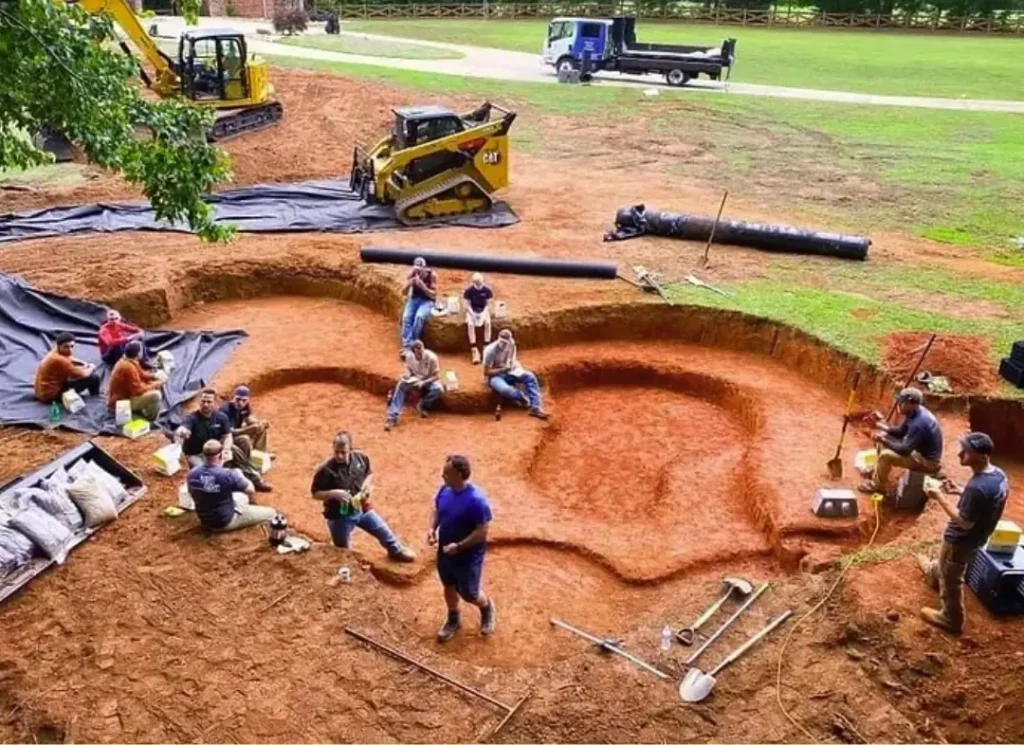
Once the site clears evaluation, we establish the core trench. This is the structural spine of your dam, cut deep enough to key into stable soil and prevent seepage under the embankment. The trench is backfilled with compacted clay in controlled lifts — the same material that keeps the basin sealed.
Dam construction follows, built to handle the full hydrostatic load of your intended water volume plus storm surge capacity. We grade the surrounding terrain to direct clean inflow into the pond and route excess runoff away from the embankment.
For larger lake projects along rural estates near US-68 and the KY-11 Fleming County line corridor, we also coordinate with Kentucky Division of Water requirements before the first bucket of dirt moves.
The process is methodical. That’s why our ponds last.
A livestock operation off the KY-11 Fleming County line corridor needed a reliable water source after their existing pond drained each summer. S & S Excavation assessed the Karst soil profile, core-trenched the dam to stable clay, and applied full bentonite pond sealing across the basin floor. The pond held through its first dry season without measurable loss, providing year-round water for the operation.
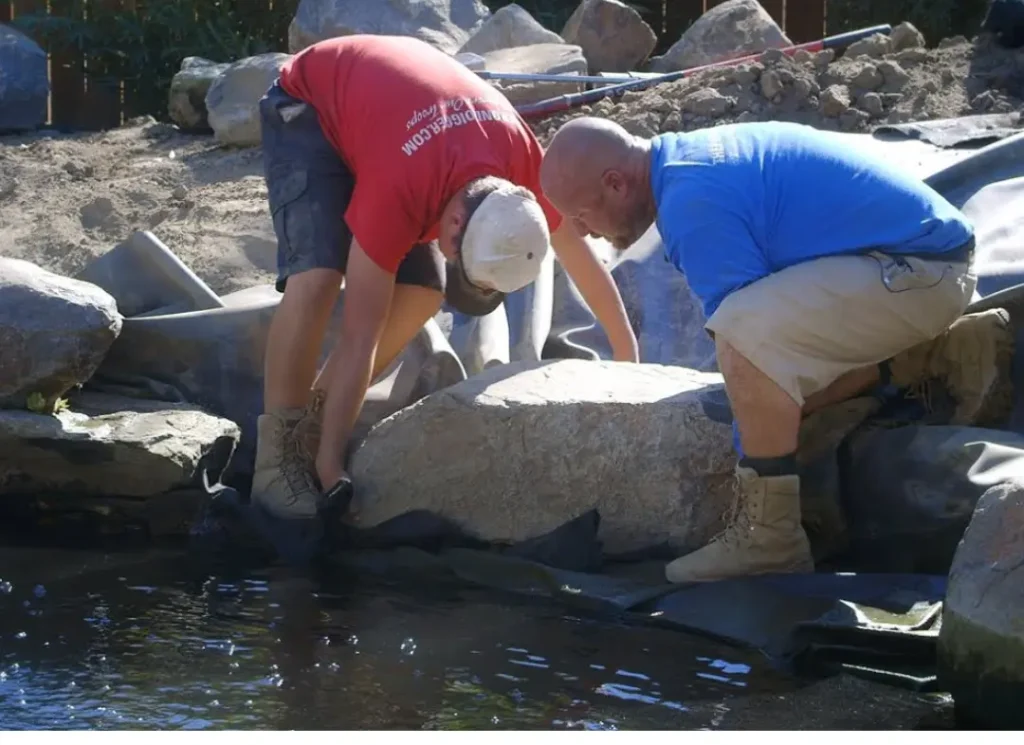
A property owner near the US-68 corridor wanted a two-acre recreational lake with a shaped shoreline and stable dam. S & S Excavation completed a custom lake site feasibility study, coordinated Kentucky Division of Water permitting, and excavated to engineered depth. Riprap erosion control was installed along the inlet and spillway. The finished lake has maintained consistent water level through two full Kentucky seasons.
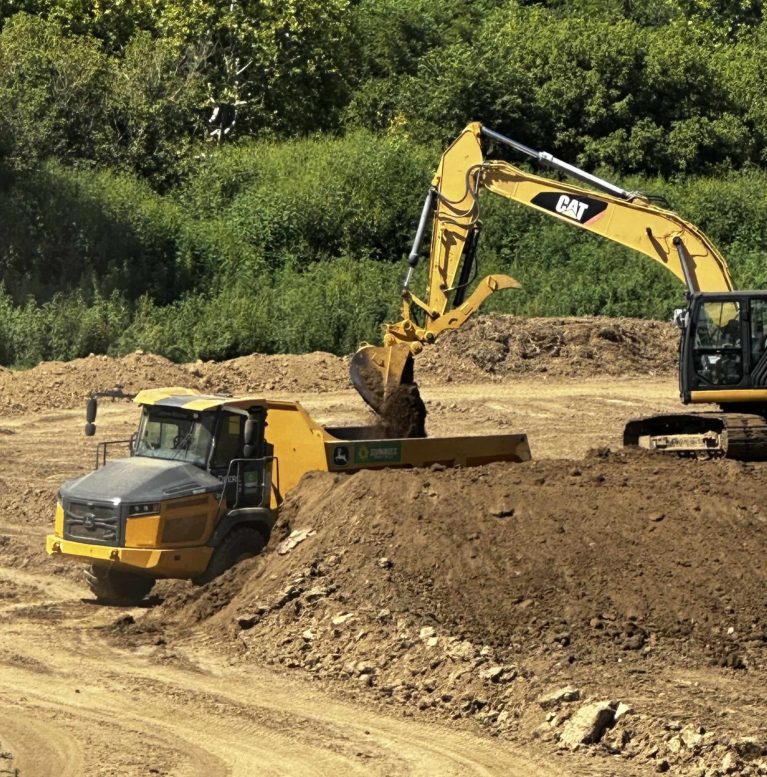
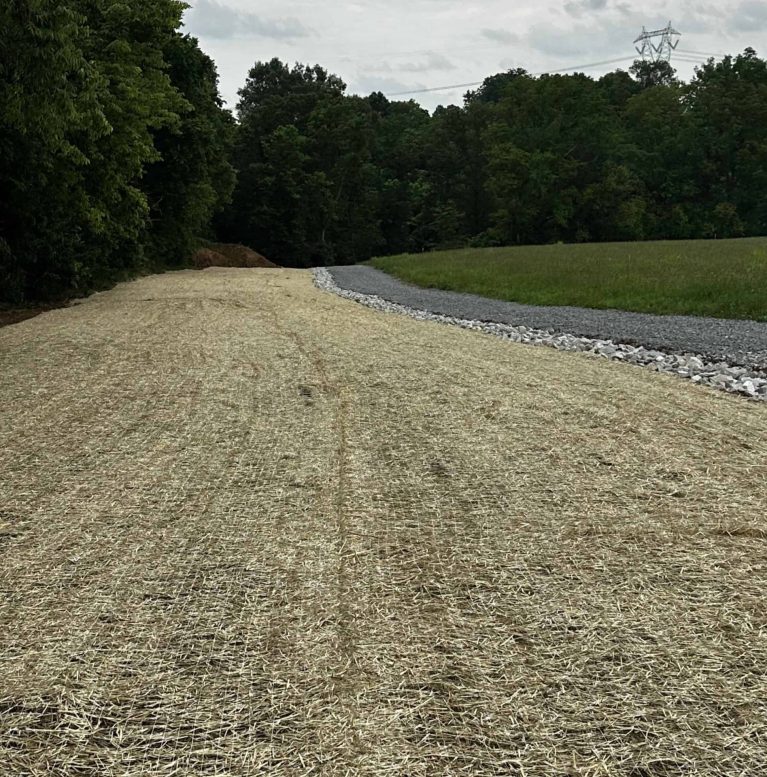
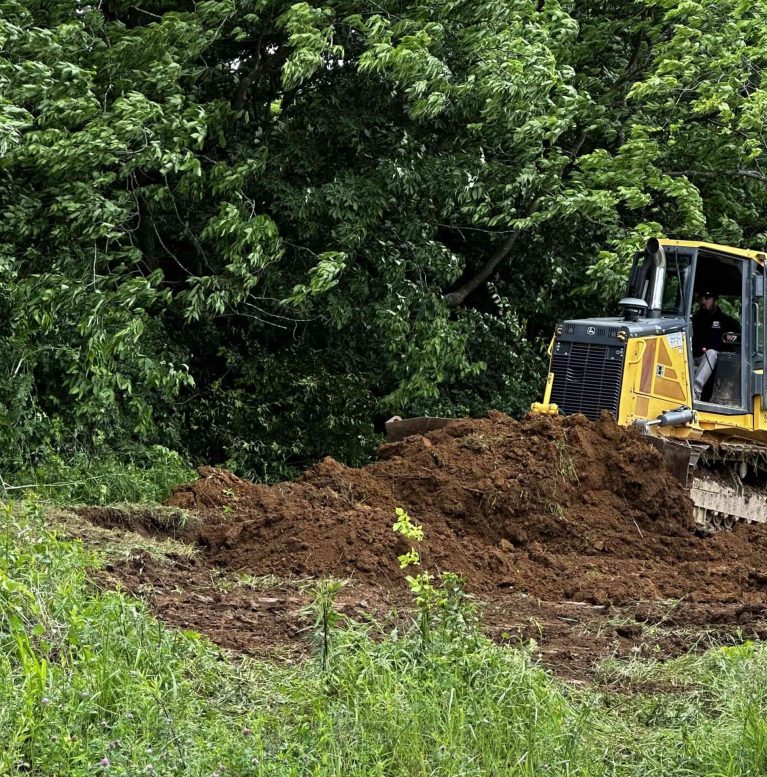
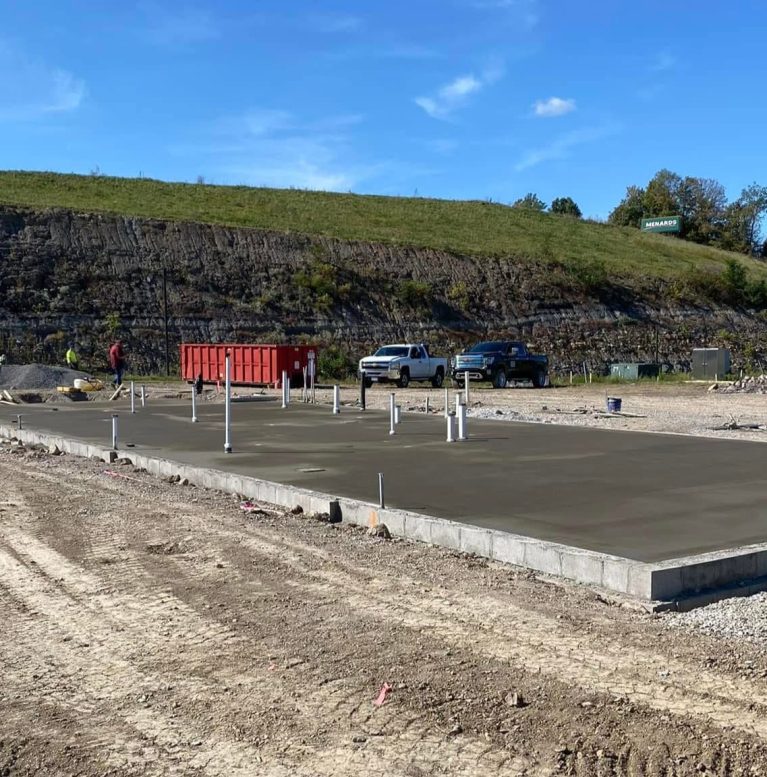
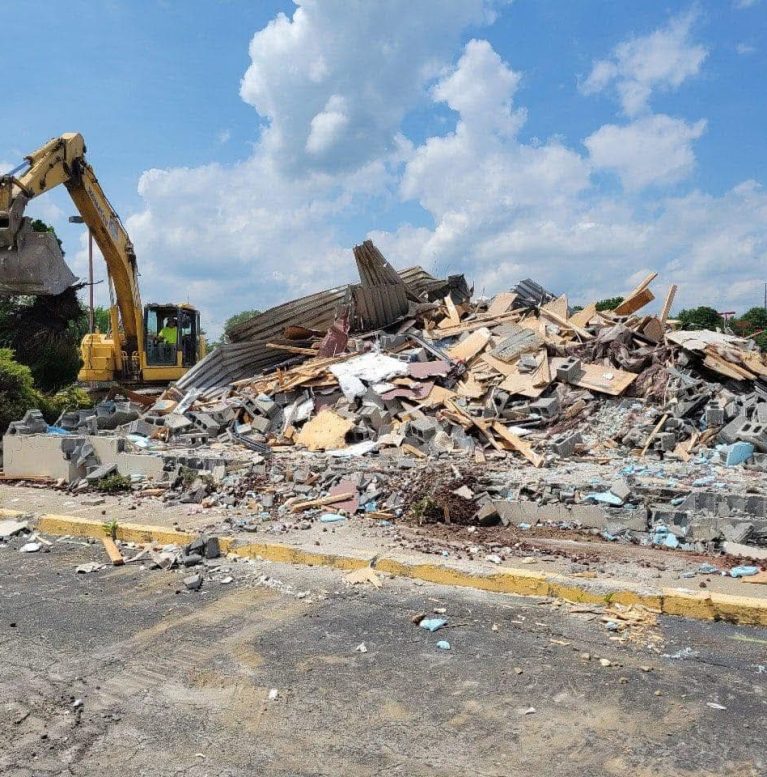
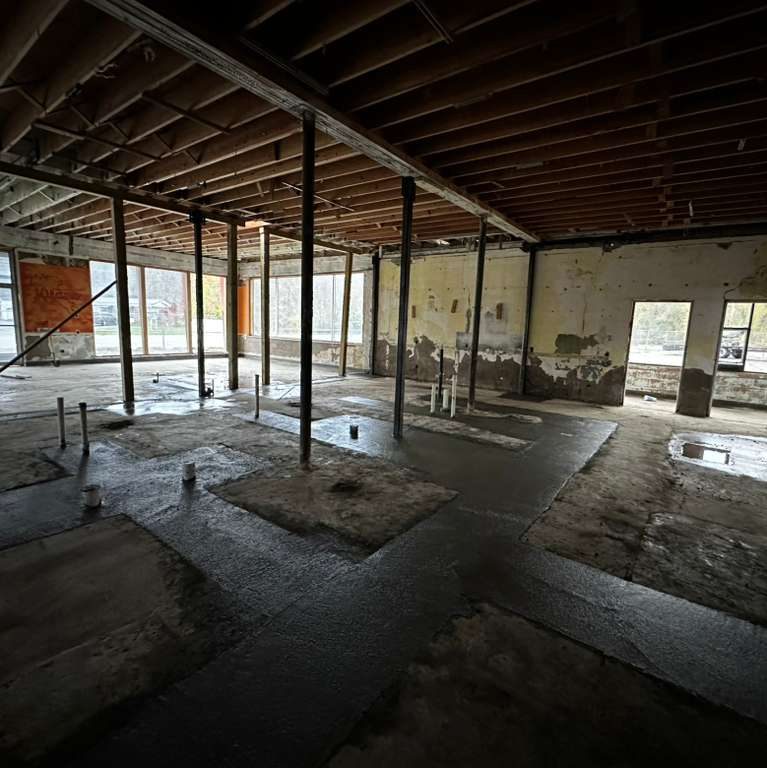
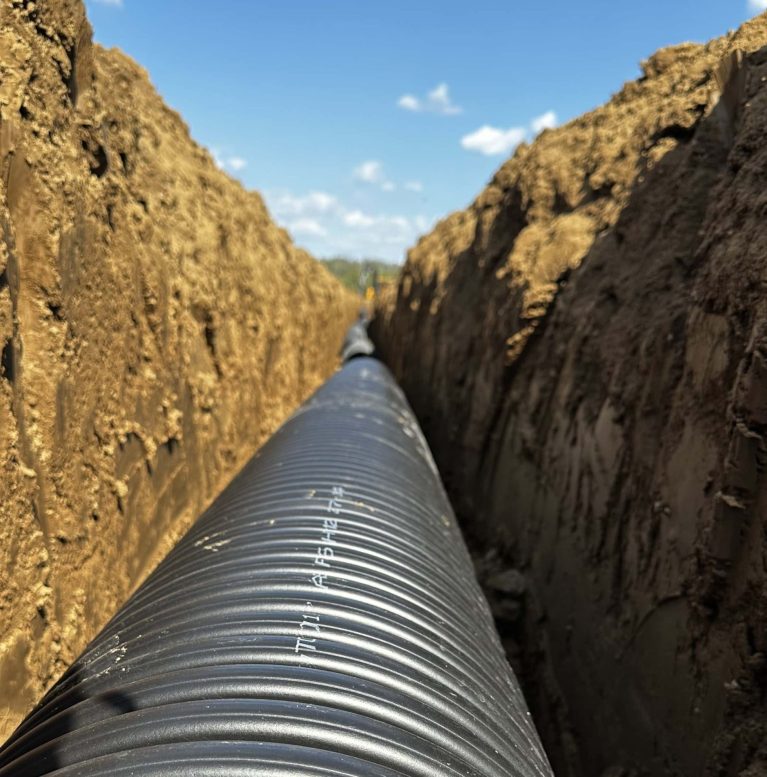
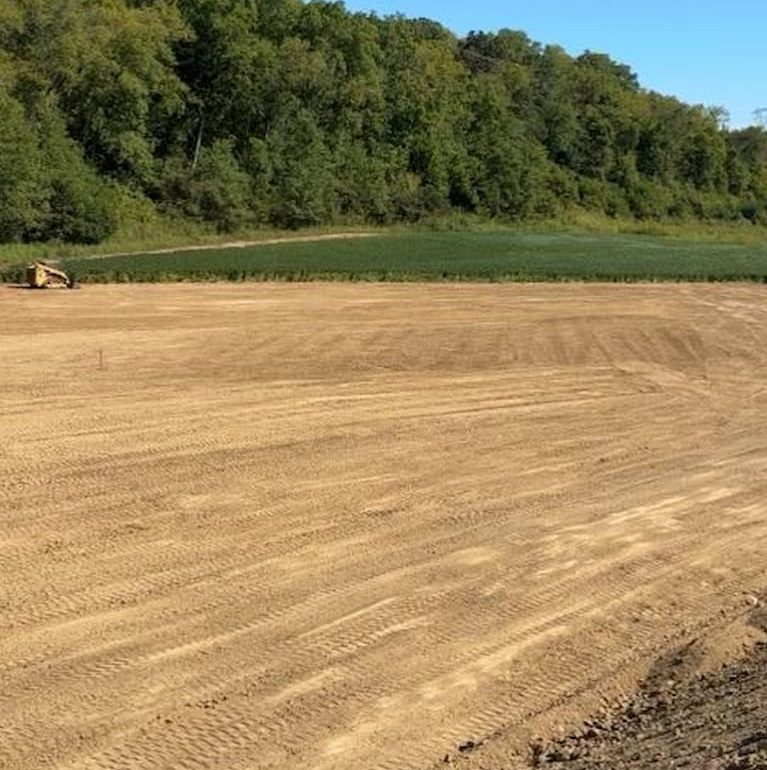
Take a look at some of our latest work. Scroll through the photos below to see our team in action and the results we deliver.
S&S Construction Services
We evaluate every site for Karst features before excavating. Where native clay is insufficient, we apply bentonite pond sealing across the basin. This clay-mineral liner swells on contact with water and closes the pores limestone leaves open.
Generally yes, if your pond involves stream impoundment or exceeds certain size thresholds. Requirements vary based on watershed impact. We identify permit obligations during the site feasibility phase and help you navigate the process before any work begins.
Proper watershed grading limits nutrient-rich agricultural runoff from entering the pond — the primary driver of summer algae growth. Adequate depth, at least eight feet at center, also helps maintain cooler water temperatures that slow algae development during dry Kentucky summers.
A general rule of thumb is five to ten acres of watershed per surface acre of pond in this region. Karst terrain can complicate this because subsurface drainage reduces reliable inflow. We calculate your specific watershed yield during site evaluation before recommending pond size.
Many leaky ponds can be saved with bentonite sealing or clay blanket installation without full reconstruction. It depends on whether the leak is through the basin floor, the dam, or both. We assess the source of loss first and recommend the most cost-effective fix.