Ground near the Ohio River doesn’t behave like ground fifteen miles inland.
Aberdeen sits low against the river, and the soil underneath most lots here is heavy clay over limestone. That clay holds water when it rains and turns to concrete when it’s dry — a combination that makes grading and compaction unforgiving if it’s not handled right the first time. Add in the high water table that comes with being this close to the river, and you’ve got a real risk of drainage problems showing up months after the dirt work is done, when they’re expensive to fix.
Lots along US 52 and the low-lying parcels near the William H. Harsha Bridge carry extra flood and drainage considerations that inland Brown County sites simply don’t face. Skipping proper grading and drainage planning here isn’t just a shortcut — it’s a bet against the river.
S&S Construction Services has been building sites on this ground for years. We know how Aberdeen’s clay compacts, where the water wants to go, and what it takes to get a site ready for construction without surprises later. We handle the grading, drainage, and prep work so your project starts on solid, stable ground.
Posted on Google Mike GonneringTrustindex verifies that the original source of the review is Google. We have worked with Beeman Excavating in the past. Their experience in multiple markets has shown through in the quality of their work. Recommend you give them a try!Posted on Google Jose GarciaTrustindex verifies that the original source of the review is Google. Posted on Google Hannah BeemanTrustindex verifies that the original source of the review is Google. Beeman Excavating is a great family owned company. They are easy to work with, responsive and respectful. I highly recommend them!
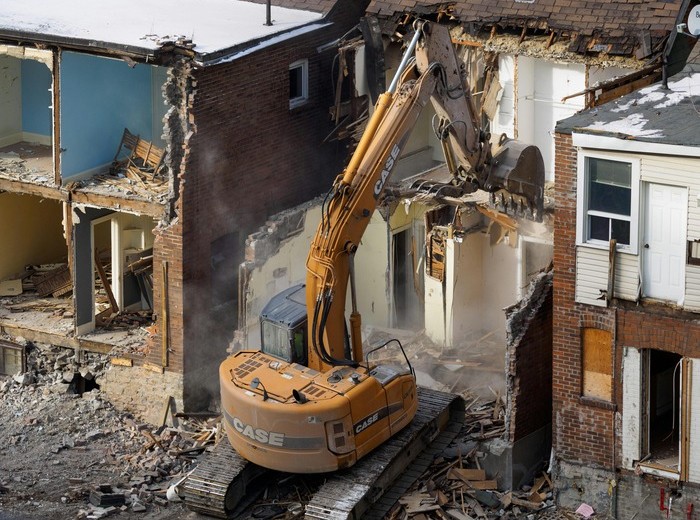
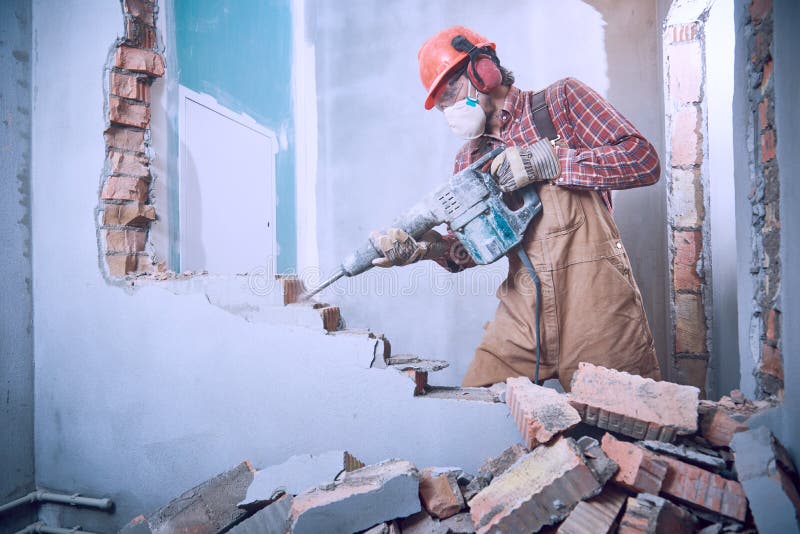
From residential projects to commercial developments, we provide end-to-end solutions for every stage of construction.
Site development starts with reading the land, not just clearing it.
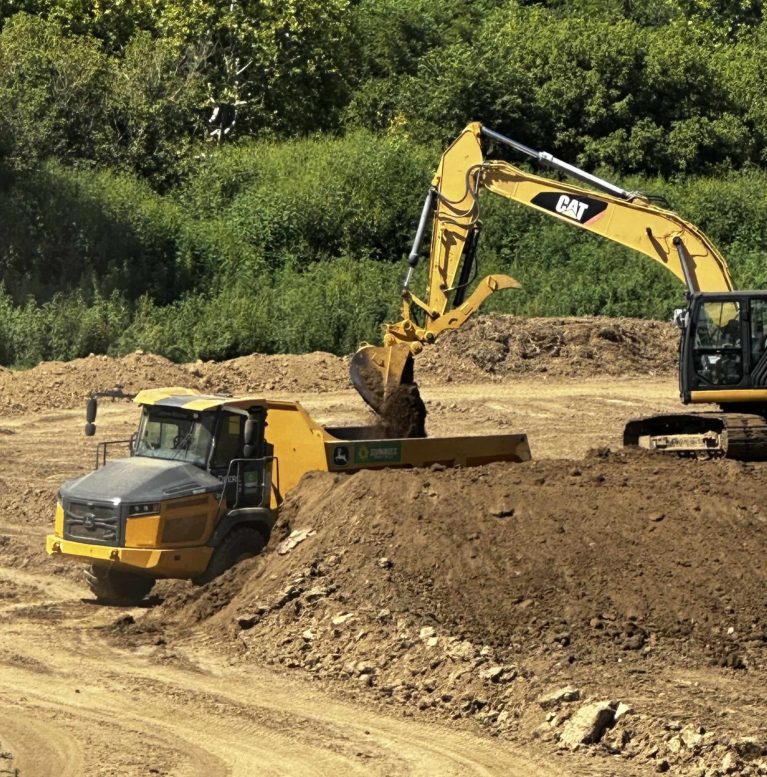
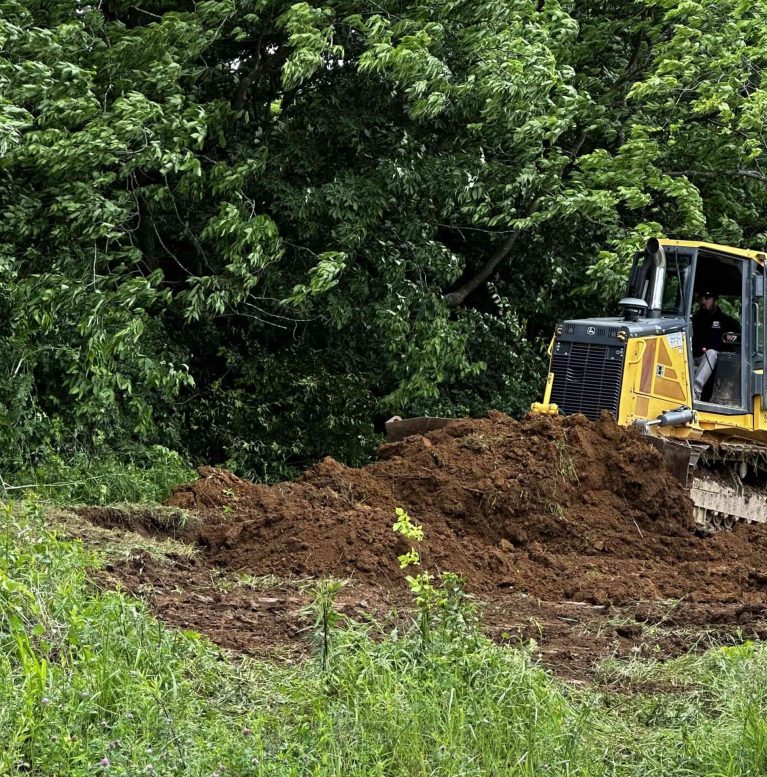
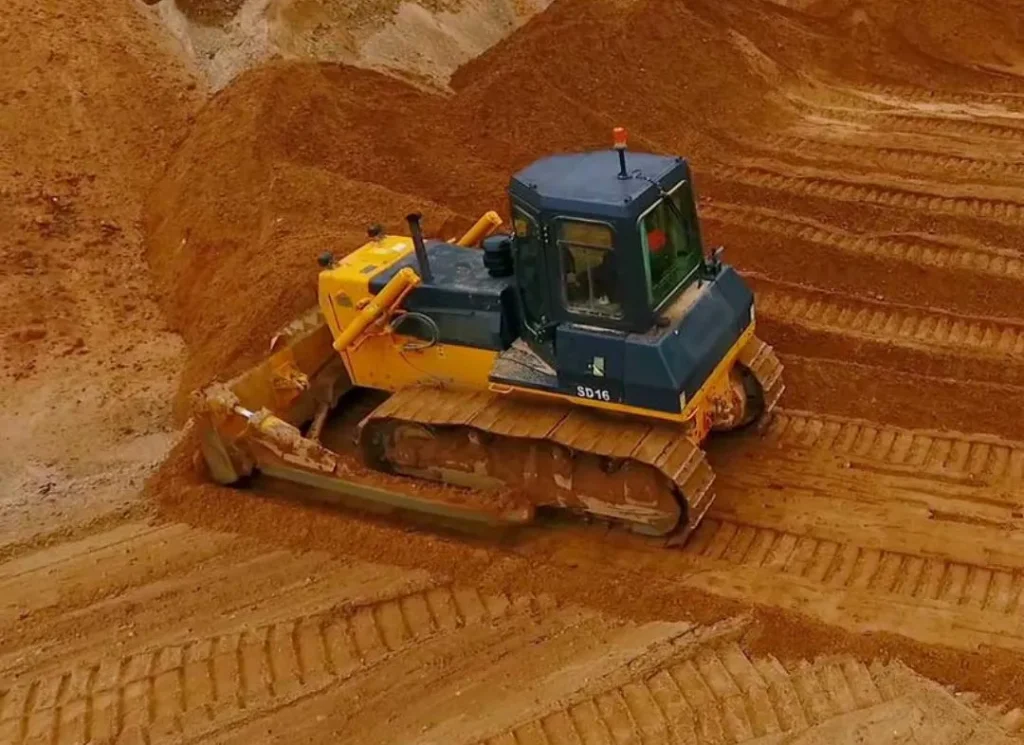
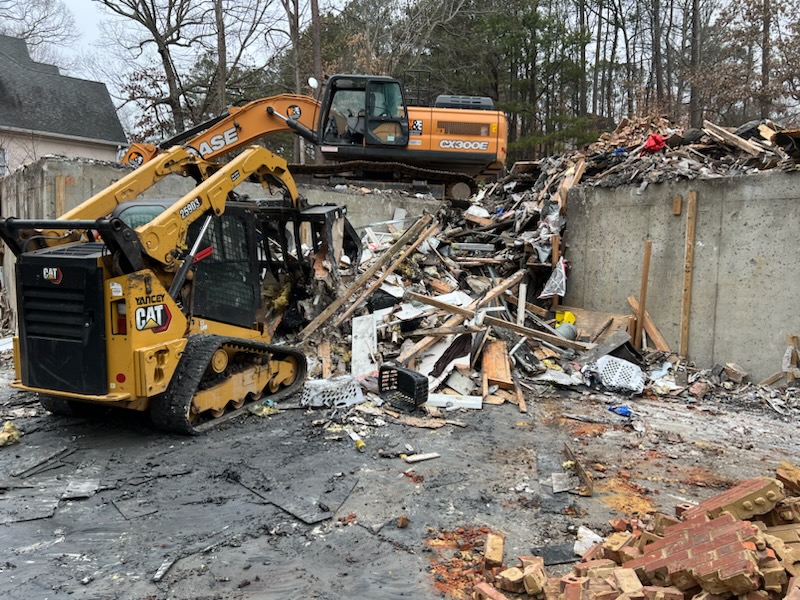
Every project begins with a site evaluation — soil conditions, existing grade, drainage flow, and proximity to the river all factor into the plan before equipment ever moves. From there, we handle clearing, cut-and-fill grading, and soil stabilization suited to Aberdeen’s clay-heavy ground.
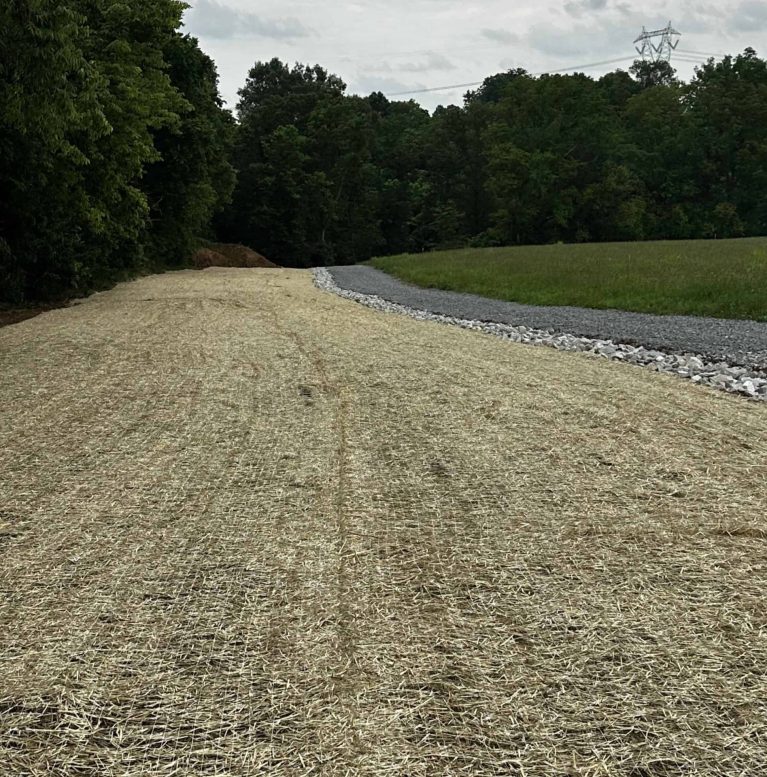
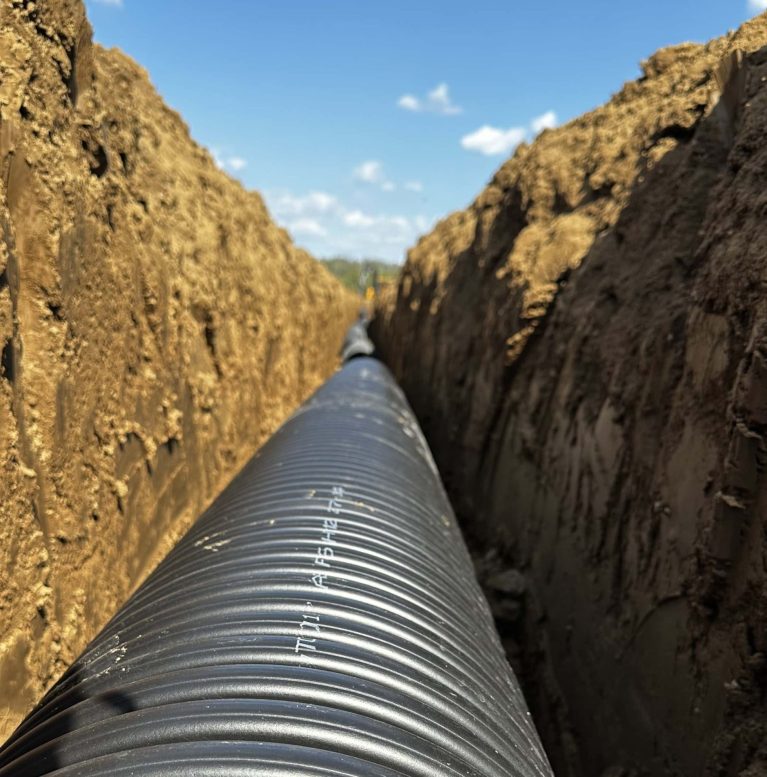
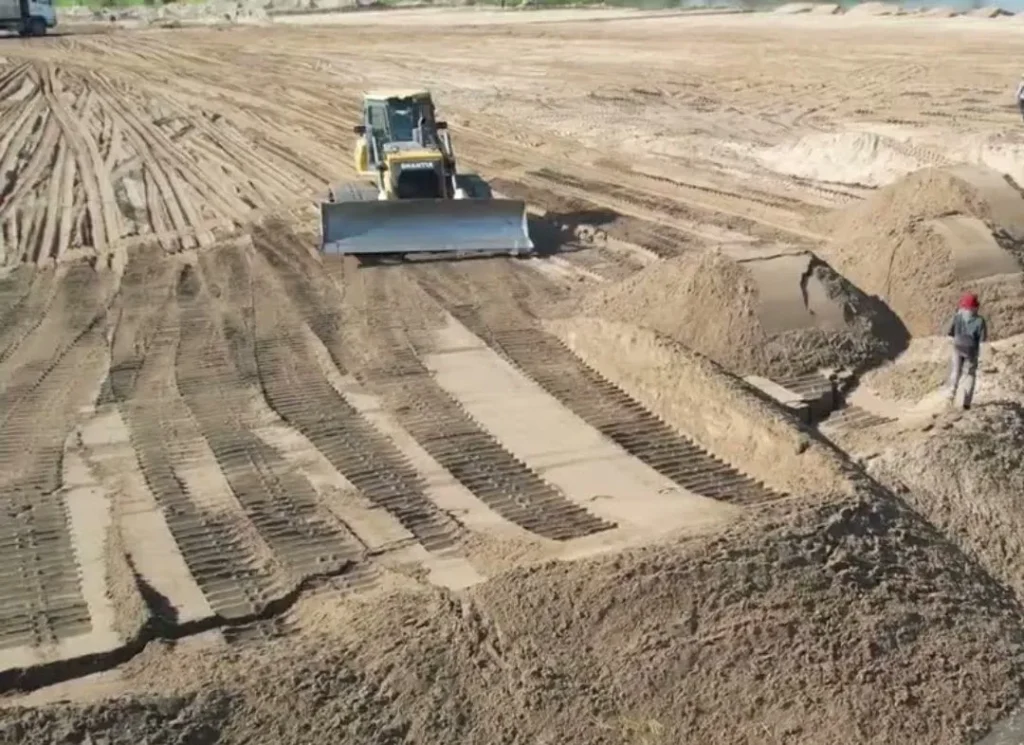
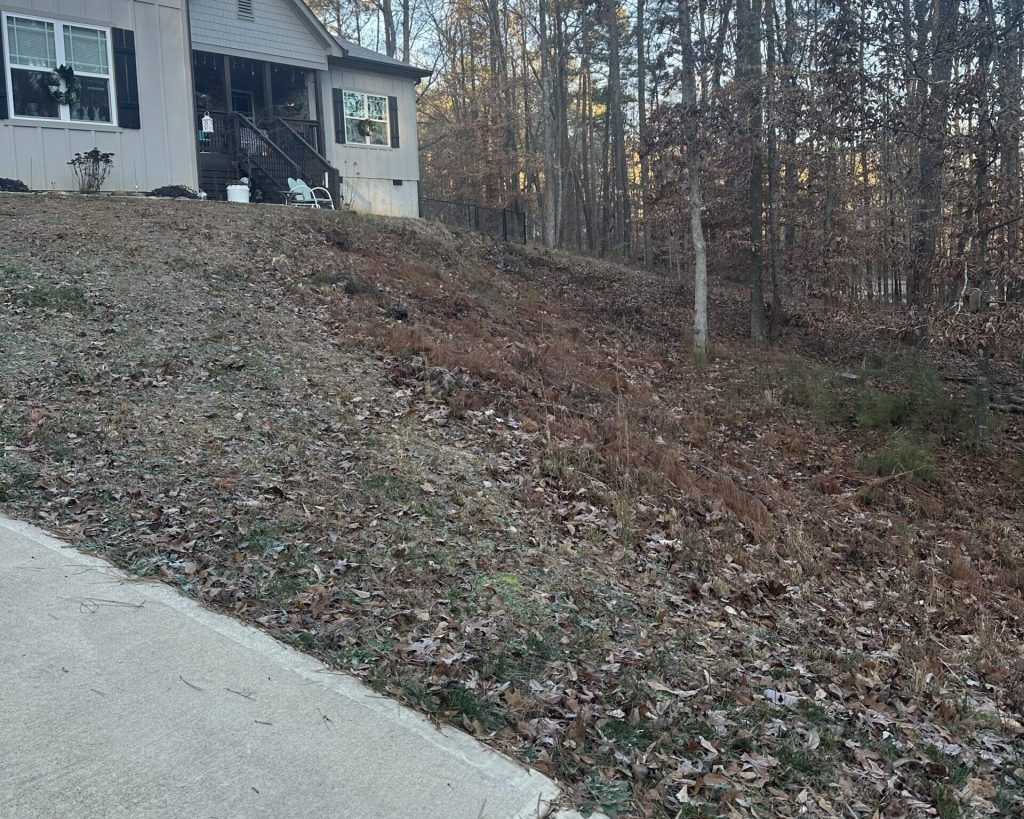
Drainage design gets extra attention here. Because the water table sits high this close to the river, we plan runoff and drainage paths that account for seasonal rises, not just average conditions. That means properly sloped grading, drainage lines placed where water actually needs to go, and compaction done to spec so the ground doesn’t shift or settle once construction starts.
Compaction itself takes a different approach on clay than it does on sandier inland soil. We test as we go, adjusting for moisture content so the base holds up under freeze-thaw cycling through the winter months — a real factor for any site sitting through an Ohio Valley winter.
The result is a site that’s actually ready to build on, not one that looks ready and fails later.
A property owner planning new construction along US 52 near Aberdeen needed the lot graded and drained before their builder could break ground. Site evaluation showed heavy clay and a drainage path that would have pooled water against the planned foundation. We regraded the lot, cut proper drainage channels, and compacted the base to spec — clearing the way for construction with no water issues since.
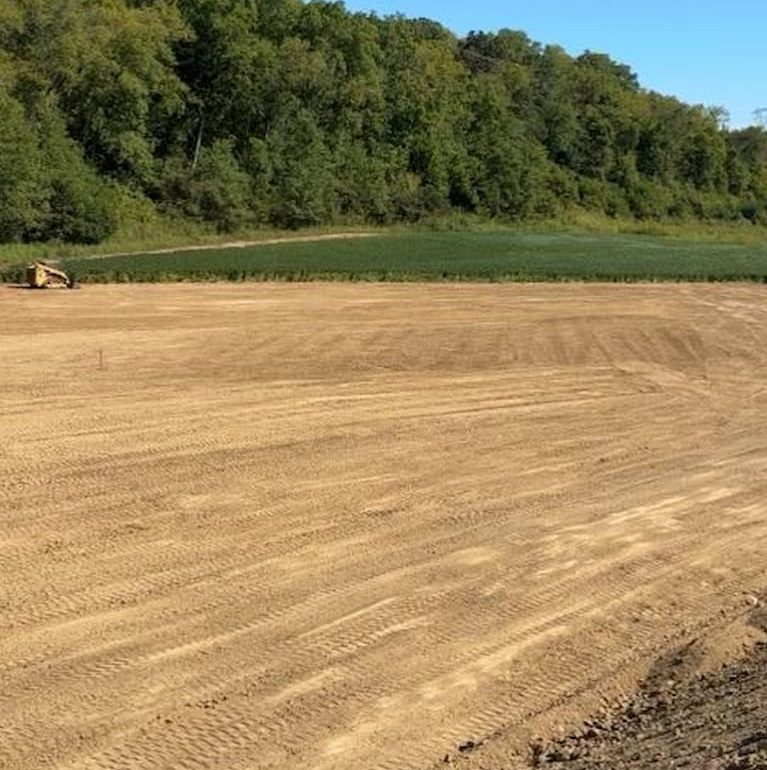
A landowner with a parcel near the William H. Harsha Bridge approach was concerned about flood risk and soft ground before starting site work. We assessed the grade relative to the river’s typical high-water line, built up and compacted the buildable area, and installed drainage designed for seasonal rises rather than average rainfall. The site has held up through subsequent wet seasons without standing water.
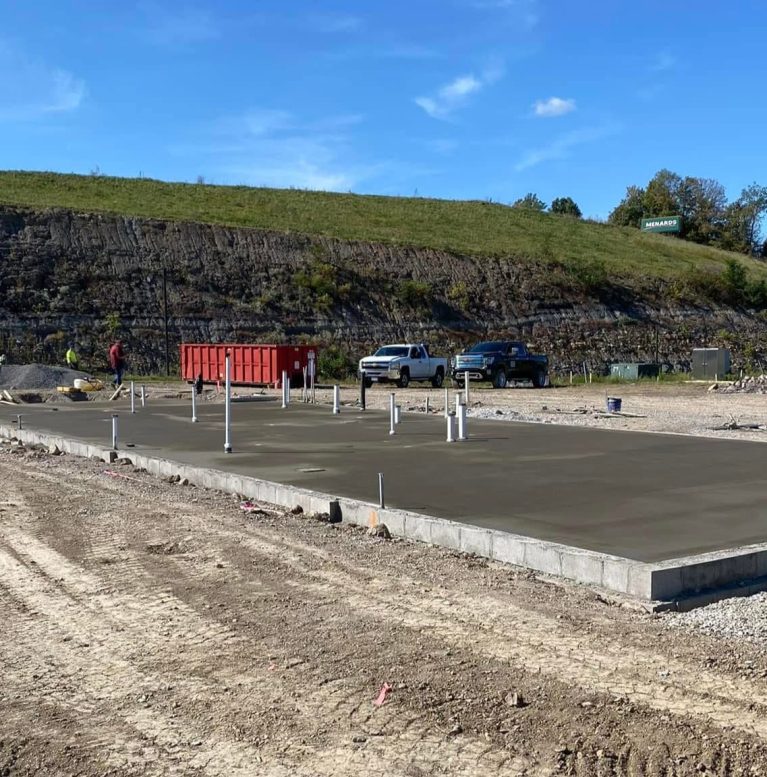
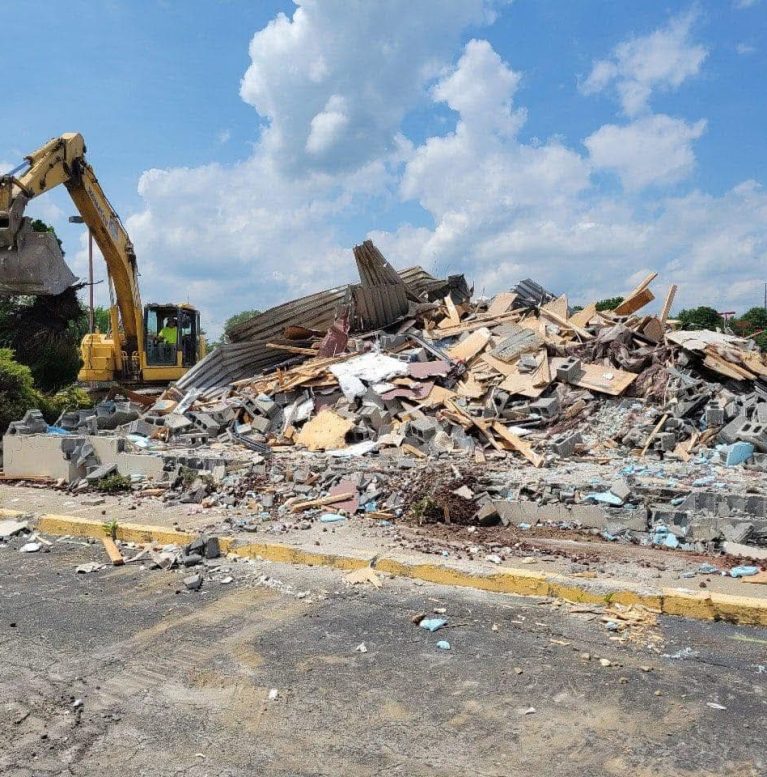
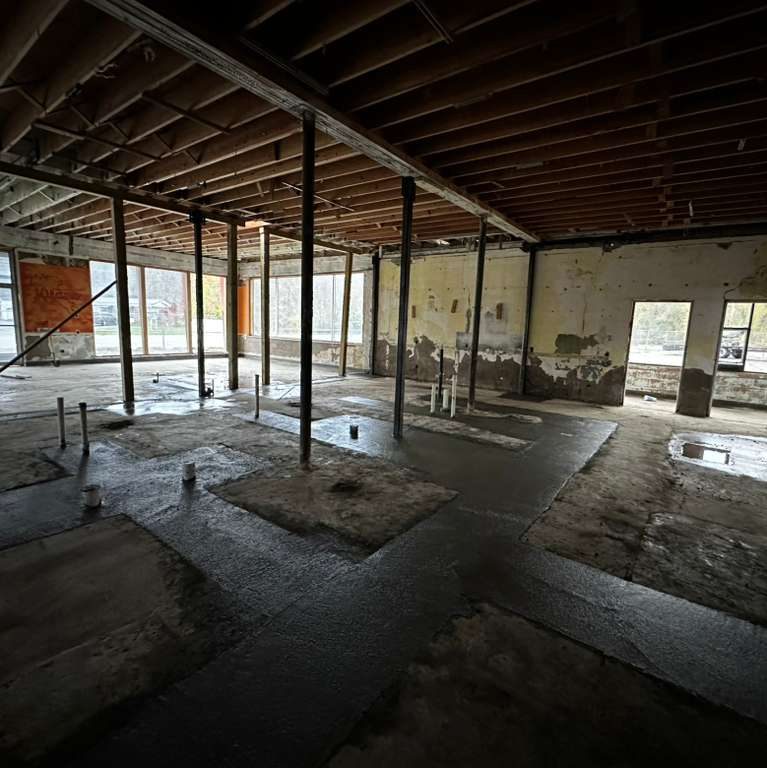
Take a look at some of our latest work. Scroll through the photos below to see our team in action and the results we deliver.
We factor the river’s water table and flood behavior into every plan — not just current conditions, but seasonal rises. That shapes how we grade, where drainage lines go, and how we compact the ground to hold up long-term.
Not if it’s handled correctly upfront. Clay needs proper moisture-adjusted compaction and drainage planning — skip either step and you risk settling or standing water down the road. We test and compact to spec so that doesn’t happen.
Cost depends on lot size, existing grade, and drainage needs. Send us details on your property and we’ll walk the site and give you an accurate quote — most projects are straightforward to scope once we’ve seen the ground.
It depends on where your parcel sits relative to the floodplain boundary. We can help identify whether your site falls under those requirements and plan the grading and drainage work accordingly from the start.
Some work can proceed through winter, but clay compaction and freeze-thaw conditions make timing matter. We’ll walk you through what’s realistic for your project’s timeline and recommend the best window to start.